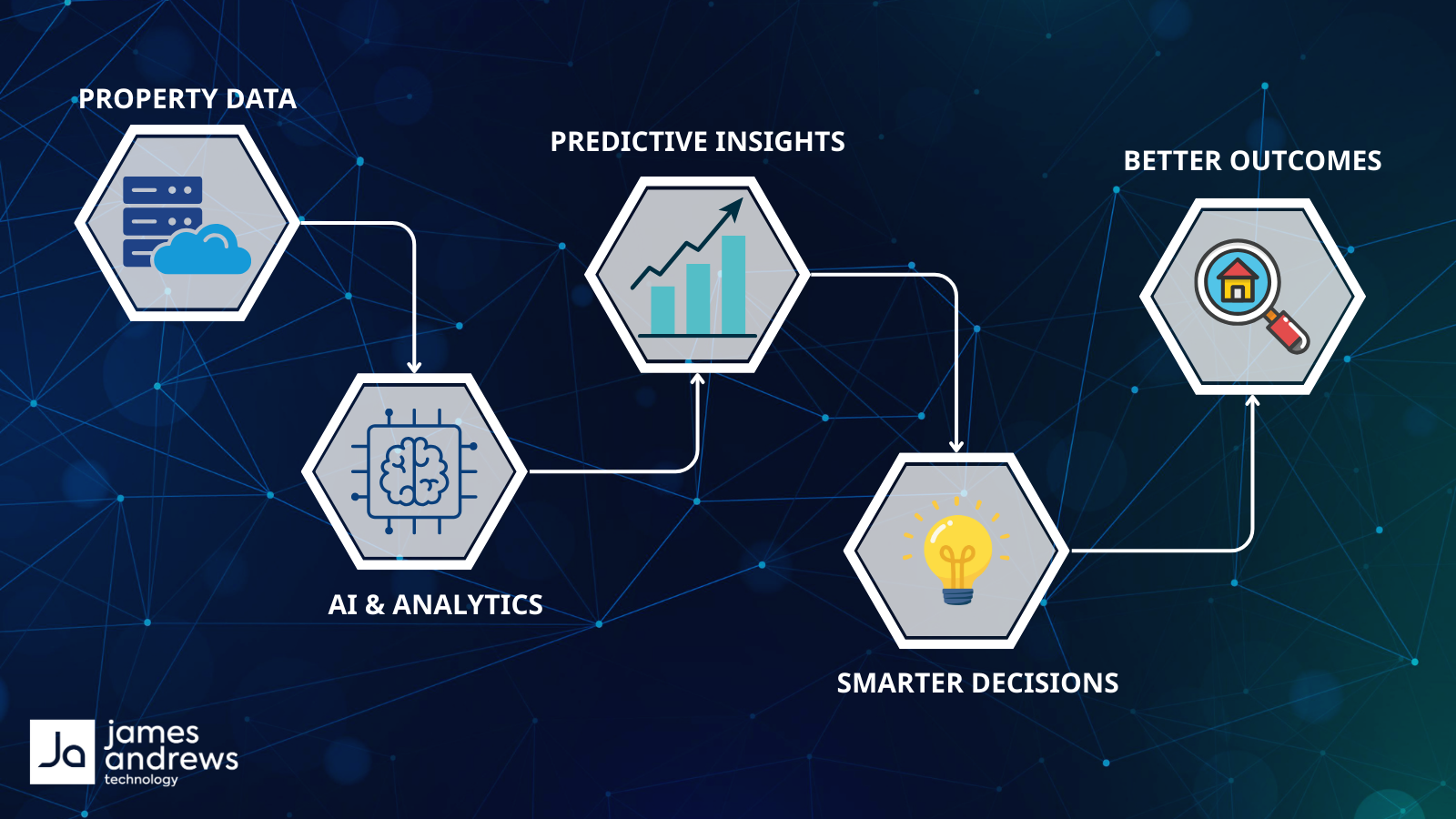
The property management sector is undergoing a profound digital transformation. Advances in technology and artificial intelligence (AI) are reshaping how portfolios are managed, services are delivered, and decisions are made. For property organisations, housing providers, and managing agents across the UK, technology is no longer a support function - it is a strategic driver of performance, compliance, and tenant experience.
For tech-enabled property businesses, this shift is also redefining the skills required to build effective, future-ready teams.
The Growing Role of Technology in Property Management
Digital platforms now sit at the heart of modern property operations. Cloud-based property management systems enable real-time access to data across repairs, compliance, lettings, finance, and customer service. Automation has reduced manual administration, improved reporting accuracy, and increased operational resilience - particularly for organisations managing large or geographically dispersed portfolios.
Key technological developments include:
Integrated property management platforms
Mobile workforce and repairs scheduling tools
Digital compliance tracking and reporting systems
CRM systems designed specifically for tenant engagement
As reliance on these systems grows, organisations require professionals who can implement, maintain, and continuously improve complex digital environments.
.png)
How AI Is Reforming Decision-Making and Service Delivery
AI is increasingly embedded within property management technology, shifting teams from reactive operations to predictive and data-led decision-making.
AI-driven analytics can identify patterns in repairs data, predict asset failure, and prioritise maintenance spend more effectively. Machine learning models are also being used to forecast arrears risk, optimise void turnaround times, and improve long-term asset planning.
In customer service, AI-powered chatbots and virtual assistants are handling routine tenant queries, enabling human teams to focus on complex or sensitive cases. When deployed effectively, this improves response times, consistency, and overall tenant satisfaction.
Data, Compliance, and Risk Management
With increasing regulatory scrutiny across the property and housing sectors, data accuracy and accessibility are critical. Technology and AI are supporting compliance by:
Automating safety checks and renewal alerts
Centralising documentation and audit trails
Providing real-time compliance dashboards for leadership teams
However, these benefits also increase the need for robust data governance, cybersecurity controls, and ethical AI use - placing greater responsibility on technology professionals working within property organisations.
The Impact on Skills and Hiring in the Property Sector
As technology adoption accelerates, property organisations are competing for talent that combinestechnical expertise with sector understanding. Demand is rising for:
Property systems implementation specialists
Data analysts and BI professionals
AI and automation engineers
Cybersecurity and infrastructure specialists
Product owners and digital transformation leads
In many cases, these roles sit outside traditional property career pathways, creating a growing reliance on specialist technology recruitment expertise.

Why Tech Recruitment Matters More Than Ever
For property management organisations, the success of digital and AI initiatives depends on people. Recruiting the right technology professionals ensures that systems deliver measurable value, integrate effectively with existing operations, and scale in line with organisational growth.
For technology candidates, the property management sector offers complex challenges, long-term investment, and the opportunity to work on systems that directly impact homes, communities, and public services.
Looking Ahead: A Sector Defined by Technology
Technology and AI will continue to redefine property management over the coming years - from smarter buildings and predictive asset strategies to more personalised tenant services. Organisations that invest early in digital capability, supported by the right technical talent, will be best positioned to adapt to regulatory change, rising expectations, and portfolio growth.
For employers and candidates alike, understanding the intersection between technology, AI, and property management is no longer optional - it is essential.


.jpg)
.jpg)

.jpg)